

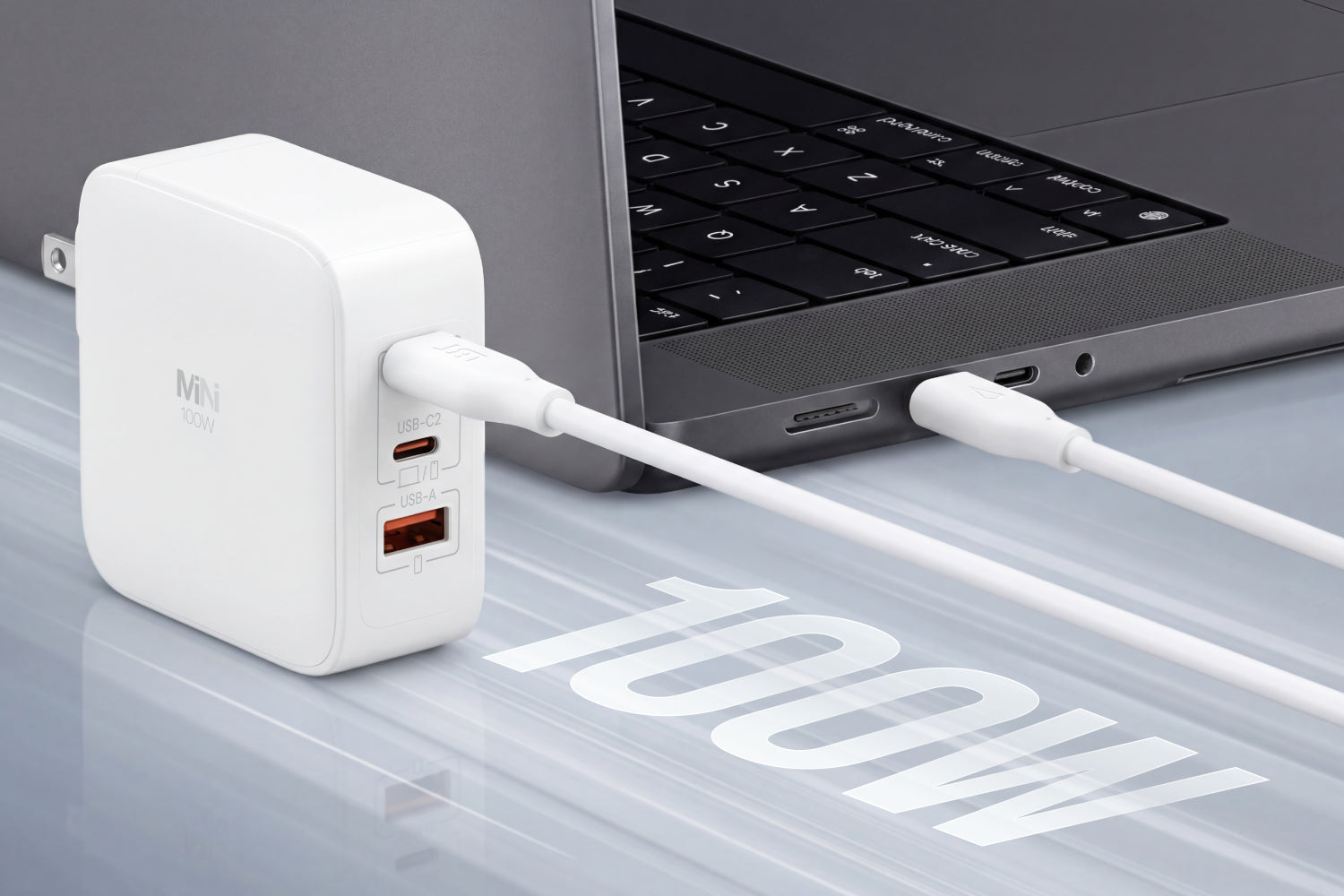
You bought a charger that says "65W" or "100W" right on the box. It looks fast. It cost more than your old one. And yet your phone still crawls from 20% to 80% at what feels like the same speed as always. So why isn't a higher-wattage charger actually charging your phone any faster?
In almost every case, it's not the charger's fault. Your phone only ever pulls as much power as its battery and charging chip are built to accept — a 100W charger plugged into a phone that maxes out at 20W will charge at 20W, not 100W. The charger's wattage rating is a ceiling, not a guarantee. The real bottleneck is usually the phone itself, the cable, or the charging standard being used — not the number printed on the box.
Does a Higher-Wattage Charger Always Charge Faster?
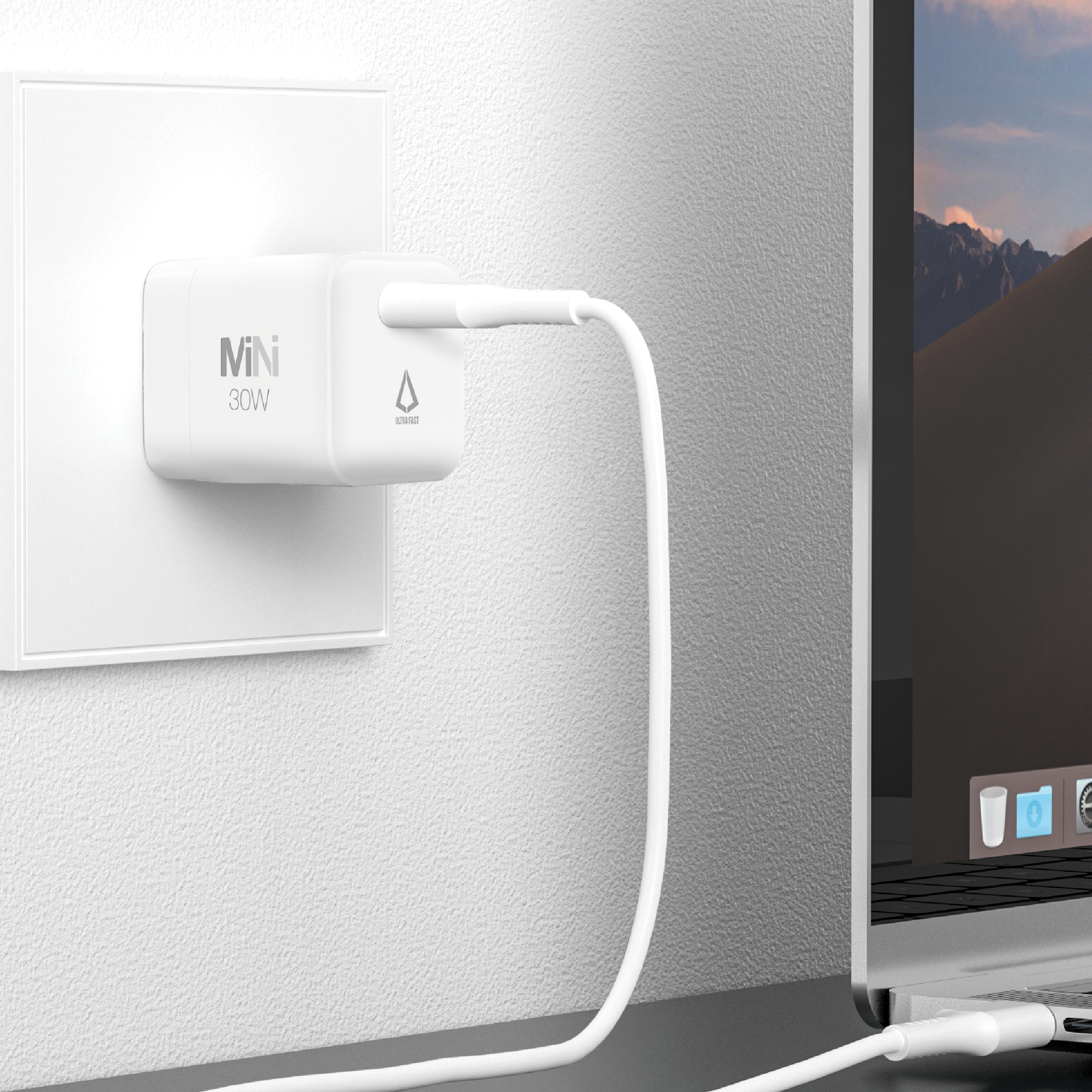
No. A charger's wattage rating (18W, 30W, 65W, 100W) is the maximum it's capable of delivering — not what it forces into every device. Your phone and the charger negotiate the actual charging speed together, and the phone always sets the ceiling. If your phone's fast-charging chip is rated for 20W, that's what it will draw, whether it's plugged into a 20W charger or a 140W one. The extra wattage on a higher-rated charger exists for other devices (like tablets or laptops) that can actually use it — it doesn't get forced into a phone that wasn't built to accept it.
This is one of the most common misunderstandings in charging accessories, and it's worth knowing before you assume a new charger is defective.
So Why Did I Buy a "Fast Charger" If It's Not Making a Difference?
A few reasons a higher-wattage charger might not seem to speed things up:
- Your phone's charging cap is lower than the charger's output. Most phones today cap out somewhere between 18W and 45W, even flagship models. A 100W charger isn't wasted — it's just working within your phone's limit, and the headroom is there for other devices you might charge with the same charger.
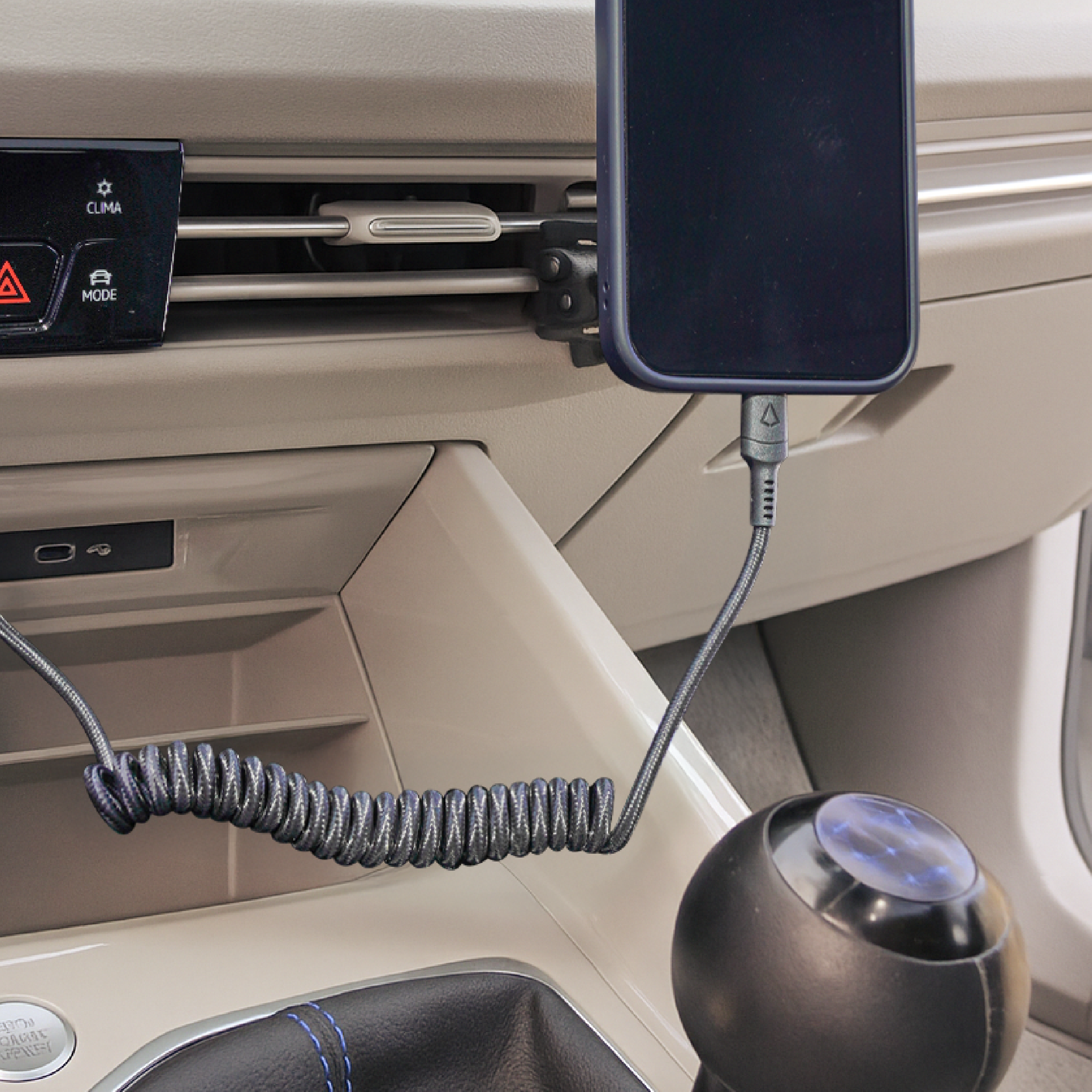
- The cable is the actual bottleneck. A charger rated for 100W paired with a cable that only supports 18W will charge at 18W, no matter what the charger's capable of. Cables have their own wattage and data ratings, and an old or cheap cable can quietly cap your speed regardless of the charger.
- You're not using the charging protocol your phone expects. Fast charging isn't one universal standard — USB Power Delivery (PD), Programmable Power Supply (PPS), and proprietary fast-charging protocols all negotiate differently. A charger and cable that don't support the specific protocol your phone uses will fall back to a slower, universal charging speed.
- Battery health and temperature play a role too. Phones deliberately slow charging speed as the battery gets warm or as it approaches full charge, to protect long-term battery health. This is normal and happens regardless of charger wattage.
How Do I Know What Charging Speed My Phone Actually Supports?
Check your phone manufacturer's specifications for its maximum wired charging wattage — this is the real number that matters, not the charger's rating. Once you know that number, the goal isn't to find the highest-wattage charger possible; it's to find a charger and cable combination that meets or slightly exceeds your phone's actual cap, so you're never the limiting factor.
What Should I Actually Look For in a Charger?
Rather than chasing the highest wattage number on the box, look for:
- A charger rated at or slightly above your phone's maximum charging speed — buying far beyond that doesn't add benefit for phone charging alone, though it's useful if you also charge a laptop or tablet from the same charger.
- A cable rated to match or exceed the charger's output, so the cable isn't the bottleneck. This matters more than most people expect — it's why LBT's cables are rated and labeled by wattage rather than sold as one-size-fits-all.
- Support for the charging protocol your phone uses (most current phones use USB-PD or PPS), so the charger and phone can actually negotiate the fastest speed the phone allows.
- A GaN charger if you want a smaller, cooler-running option — Gallium Nitride (GaN) chargers deliver the same wattage as older silicon chargers in a noticeably smaller size, without a speed difference on their own.
Is It Bad to Use a High-Wattage Charger on a Phone That Doesn't Need It?
No — this is a common worry, but it's unfounded. Your phone only draws the power it's designed to accept; a higher-wattage charger simply has more capacity available and won't push excess power into a device that isn't asking for it. It's a completely safe and common setup, especially for anyone who wants one charger that can handle a phone, tablet, and laptop.
FAQ
Does a 100W charger charge my phone faster than a 30W charger? Only if your phone can actually accept more than 30W. Most phones cap their charging speed well below 100W, so the difference in practice is usually none — the phone decides how much power it draws, not the charger.
Why does my phone charge slower with a new charger than it used to? This is almost always the cable, not the charger. An older or lower-rated cable can cap charging speed even when the charger is capable of much more.
Is it safe to use a high-wattage charger on an older or lower-wattage phone? Yes. Phones only draw the power they're built to accept, so a higher-wattage charger won't overcharge or damage a device that has a lower charging cap.
What actually determines my phone's charging speed? The phone's charging chip and battery set the maximum. The charger and cable need to meet or exceed that number and support the right charging protocol — but they can't push a phone past its own limit.
Do GaN chargers charge phones faster than regular chargers? Not inherently. GaN technology makes chargers smaller and more efficient at high wattages, but the charging speed your phone receives is still capped by the phone itself.
Match Your Charger to Your Phone, Not the Other Way Around
Stop guessing which charger and cable combination will actually deliver full speed. Browse LBT's wall chargers and cables, each clearly rated by wattage, so you can match the right setup to your phone's real charging cap — backed by LBT's warranty on every product.


Leave a comment
This site is protected by hCaptcha and the hCaptcha Privacy Policy and Terms of Service apply.